
- August 28, 2026
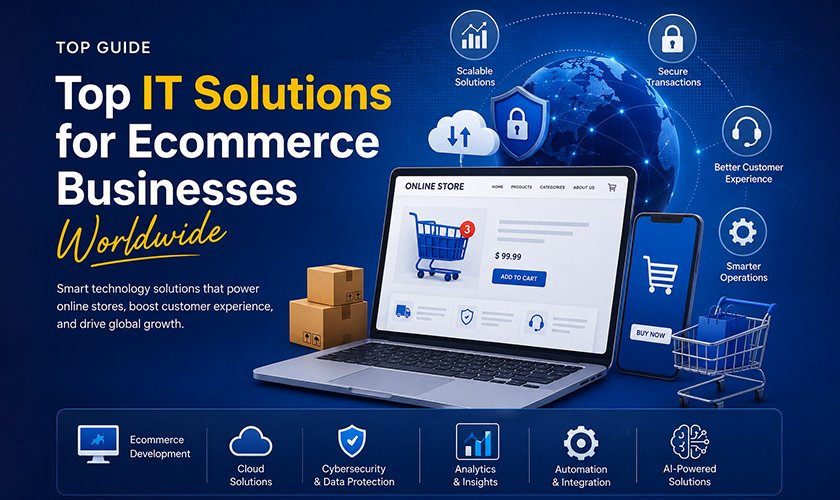
The last few years have been very transformative for the e-commerce industry. Customers want their sites to be fast; they want secure payments, a personalized shopping experience, mobile-friendly stores, and fast customer support. Reliable technology infrastructure is no longer an option for online sellers of products but a must for long-term success.
The right IT solutions for e-commerce companies can boost operational efficiency, improve security and customer experience, and increase expansion opportunities, whether you’re a startup or a global online retailer. No matter where your company is based (USA, UK, Europe, Asia, or other international markets), technology can help e-commerce businesses compete better in a more digital marketplace.
Why IT Solutions Matter for Ecommerce Businesses
An ecommerce business relies on several interconnected technologies. Its website, payment processor, stock system, customer database, marketing platforms, analytics instruments, and communication systems all have to be integrated seamlessly.
Businesses that lack the right technology can suffer from slow website performance, security vulnerabilities, inaccurate inventory information, payment issues, and bad customer experiences.
Modern ecommerce IT solutions can help businesses build a more reliable and scalable digital infrastructure to overcome these challenges. The goal isn’t just to add another piece of software but to carefully leverage technology to help drive sales, customer retention and business growth.
E-commerce Website Development
The basis of an online business is a professional ecommerce website. Customers want fast, mobile-friendly websites that are easy to navigate and easy to buy from.
Professional ecommerce development can include custom storefronts, product catalogs, shopping carts, customer accounts, checkout systems, payment integrations, and order management features.
Businesses with unique requirements can also benefit from custom ecommerce development rather than standard templates alone. A custom platform may be more flexible, and allow a company to add features that fit their business model.
For businesses looking to strengthen their broader digital presence, web development services can also support the development of scalable and user-focused online platforms.
Mobile Commerce Solutions
A large amount of what goes on in e-commerce is done via smartphones. Thus, it is up to e-commerce companies to see that their sites and apps present a uniform mobile experience.
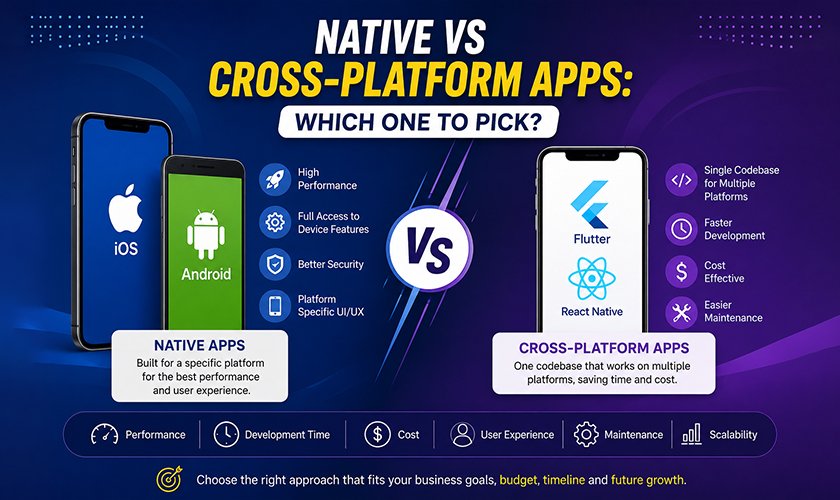
Mobile ecommerce solutions that include responsive designs, PWA’s, and native shopping apps. Also, we see in which features like mobile payments, personalized recommendations, push notifications, and easy checkout improve the purchase experience.
A great user experience for mobile devices also, which in turn sees businesses’ engagement go up and repeat purchases increase.
Secure Payment Integration
Payment security is a primary issue in e-commerce technology. We must protect our customers’ payment info and personal data.
E-commerce stores may use secure payment gateways that support credit cards, debit cards, digital wallets, bank transfers, and also other regional payment methods.
Businesses that operate in multiple countries may also have to use many currencies and local payment options. We see that which payment technologies we choose play a role in smooth checkout processes, which also better serve our customers in diverse markets.
Ecommerce Cybersecurity
Cyber security is a top issue for all online retailers. E-commerce sites handle large amounts of customer info, which includes names, addresses, contact details, account info, and payment data.
Effective e-commerce security may also include SSL support, secure login, access controls, vulnerability assessment and response, routine software updates, backups, and protected data.
Security must be a part of every stage in the tech lifecycle, not an afterthought. Also, by putting in regular checkups and maintenance, we see that we may catch issues before they grow into bigger problems.
Cloud Computing and Scalable Infrastructure
Ecommerce traffic fluctuates greatly. We see that a site may have average traffic most of the time but then see a large increase during holidays, promotions, product launches, or at the time of seasonal sales.
Cloud-based infrastructure, which is able to scale computing resources as demand changes, is a benefit to e-commerce businesses. Also, it improves reliability and reduces the risk of performance issues at peak times.
Cloud technology also supports remote teams, centralized data management, automated backups, and integration with other business applications.
For international e-commerce companies, scale is of great value, as it enables entry into new markets without the need for a full tech rebuild.
CRM and Customer Management Systems
Customer connection is at the core of e-commerce growth. A Customer Relationship Management (CRM) system that also acts as a database for customer info, a record of interactions, a lead management tool, and a purchase behavior analyzer.
CRM integration also supports personalized marketing campaigns. For example, companies may put customers into groups based on what they have bought in the past, what they are interested in, where they are located, or how much they interact with the brand.
This enables companies to put out more relevant info instead of sending the same messages to all customers.
Inventory and Order Management
As a business in e-commerce scales out, its inventory management becomes more complex. Companies that are present on many websites, marketplaces, physical stores, or in international markets require accurate product availability info.
Inventory systems that integrate sales channels with stock info and which in turn help companies to track products in real time.
Order technology for management can also perform order confirmation, fulfillment tracking, shipping updates, and returns. We see that which in turn reduces manual work and which in fact creates a better experience for the customers and employees.
API and Third-Party Integrations
Today’s e-commerce companies don’t usually use a single software platform. They tend to work with payment providers, accounting systems, shipping platforms, CRM tools, marketing software, analytics platforms, and customer support applications.
API access, which enables these systems to communicate.
When a customer places an order, our system updates inventory at the same time we process payment, we inform the fulfillment team, and we also send out a confirmation.
This kind of automation does what it does by reducing repetitive tasks and also by minimizing errors, which are a result of manual data entry.
Data Analytics and Business Intelligence
Data plays a role in which e-commerce businesses may improve their decisions. We see that analytics tools, which track website traffic, conversion rates, customer behavior, product performance, advertising results, and sales trends, are what is at play.
Businesses can see which products do the best, what points in the purchase process customers drop out of, and which marketing channels bring in the best customers.
E-commerce businesses may instead use data that is collected to better inform their pricing models, marketing strategies, website design, and customer experiences.
AI-Powered Ecommerce Solutions
Artificial intelligence is growing in its application within e-commerce. In that space we see AI-powered solutions for product recommendations, customer support, search improvement, demand prediction, fraud detection, and personalization.
AI chatbots, as an example, will answer customer issues around the clock. Also, recommendation engines will put forth product choices based on what a person has viewed or bought in the past.
AI should be used strategically. The technology has to address a real business issue and add value, which is quantifiable, instead of leaning into it because it is a trend.
IT Support and Technology Maintenance
Launching an e-commerce platform is just the start. Webs, apps, integrations, databases, and security systems require continuous care.
Professional IT support also helps companies in identifying tech issues, performing updates, monitoring performance, carrying out backups, and resolving issues very quickly.
Regular maintenance also reduces downtime, and as your business grows, our platforms stay secure and reliable.
Choosing the Right Ecommerce IT Partner
Each ecommerce business’ needs are different. A small online store may want a fast and secure site, but an international retailer may need in-depth integration, cloud infrastructure, cybersecurity, analytics, and enterprise-level support.
When it comes to choosing an IT partner, businesses should think about technical skill set, ecommerce experience, scalability, security practices, communication, and long-term support.
A quality tech partner will have knowledge of both technical and business aspects of e-commerce. We should see solutions put forth that achieve business objectives, better customer experience, and which in turn set the stage for sustainable growth.
The Future of Ecommerce Technology
Ecommerce tech will see growth as we see changes in what customers want. AI, automation, cloud computing, advanced analytics, mobile commerce, and integrated digital platforms will play bigger roles.
Today businesses that put in flexible tech are better positioned for what the future brings. Instead of seeing IT as a cost, e-commerce players can frame it as a strategic play, which in turn improves efficiency, customer satisfaction, and revenue growth.
Conclusion
The right IT solutions for e-commerce businesses is that they transform how online companies operate and compete. From e-commerce website build-out and secure payment processing to cybersecurity, cloud infrastructure, CRM, automation, analytics, and AI, tech is the base for modern digital commerce.
For businesses that are global in scale, we see that which IT infrastructure is very important. By choosing the right solutions and putting them into play strategically ecommerce companies are able to improve the customer experience, smooth out operations, secure our valuable data, and position ourselves for growth.
 Frequently Asked Questions