
- By hassamullah000@gmail.com
- May 11, 2026
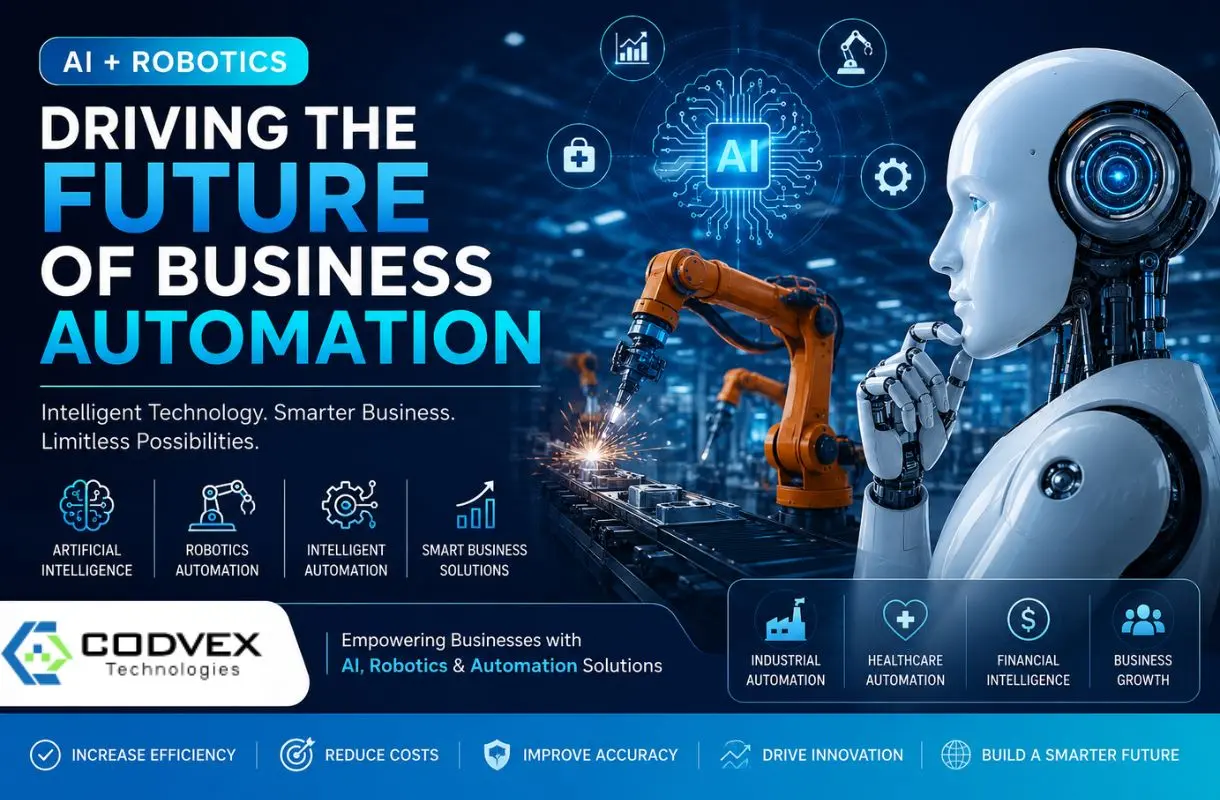
In the rapidly changing digital age, businesses are adapting their operations with automation and smart technologies. Combining artificial intelligence (AI), robotics, and intelligent automation is changing the way industries operate, increasing operational efficiency and generating more efficient workflows. From manufacturing to healthcare, companies are increasing their investment in AI-powered robotics and automation systems to remain competitive on the global stage.
The rapid growth of robotics and automation has transformed traditional business models to highly efficient, data-driven systems. Businesses are no longer relying solely on manual tasks. They are instead embracing robotic automation and business process automation along with artificial intelligence services to simplify operations and enhance the customer experience.
This change isn’t just about replacing routine tasks. It’s about developing intelligent systems that are capable of learning and adapting, as well as providing instantaneous insights to improve decision-making.
What Is Artificial Intelligence?
A frequently asked questions asked by people nowadays is, “What exactly do you mean by ‘artificial intelligence’?” “Artificial intelligence” refers to computer devices designed to carry out tasks that usually require human brains. This includes learning and reasoning speech recognition, making decisions, and solving problems.
Modern artificial intelligence software is currently integrated into routine business processes, such as customer support and automated analytics for fraud, predictive analysis, and automated communications systems. Companies are also using artificial intelligence-powered response systems to provide instant customer support via chatbots powered by AI.
The need for AI updates in the present is increasing because AI is developing at a rapid pace. The latest advances with regard to machine learning and deep learning and natural processing of language are helping companies improve the efficiency of complex tasks.
Books such as 2084: Artificial Intelligence and the Future of Humanity have also been a source of discussion about how AI could impact society as well as ethics and work in the near future.
Robotics Automation and Its Growing Impact
The advancement of robotics in automation is revolutionizing the industry by combining robotics hardware and smart software. Companies are using robots to automate repetitive tasks like billing, onboarding customers, payroll management, and data entry.
When it comes to automation technology, there is a lot of discussion about robots and automation. “Automation” is a term used to describe machines that automate tasks, while “robotics” involves mechanical machines that are able to perform tasks within the actual world. When combined, robotics and automation make powerful systems that can increase productivity while cutting operational expenses.
Nowadays industrial automation and robotics are vital in areas like automotive manufacturing, logistics healthcare, electronics production. Robotic systems be continuously operating, reduce the risk of mistakes, and increase the safety of workers.
Businesses that invest in robotic automation systems are experiencing major improvement in performance and scaling. Companies can now automate complicated workflows while ensuring precision and conformity.
What Is Robotic Process Automation?
Another frequently asked question is what exactly is automated robotic processes? Robotic Process Automation (RPA) can be described as a method of using software robots to automate repetitive tasks based on rules typically performed by humans.
Companies use robotic process automation software to accomplish tasks such as
- Data extraction
- Invoice management
- Updates to the customer record
- HR onboarding
- Financial reporting
- Compliance documentation
Contrary to conventional automatization, RPA bots can interact with software programs the same way as humans do. This speeds up the process and makes it more affordable.
Many companies are today using AI together with RPA to build intelligent automation systems that are capable of taking decisions and analyzing patterns of data.
Robotic Process Automation in Healthcare
One of the fastest-growing areas of automation is automated process robotics in healthcare. Healthcare facilities and hospitals are making use of AI-powered automation devices to improve patient care, lessen administrative burdens, and boost efficiency of operations.
Healthcare organizations make use of RPA to:
- Appointment scheduling
- Processing of claims for insurance
- Patient record management
- Billing automation
- Compliance with the regulations
- Analysis of medical data
Automation of healthcare processes by robots reduces paperwork, allowing medical professionals to focus on treating patients rather than administrative tasks.
AI-powered systems also aid doctors analyse large amounts of medical records to provide faster diagnosis and treatment suggestions.
Artificial Intelligence and Automation in Modern Businesses
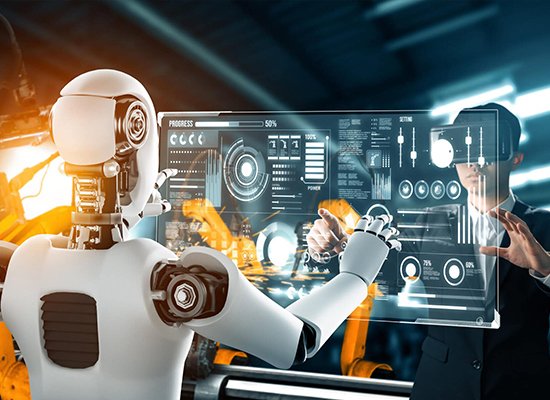
The link between automation and artificial intelligence is growing stronger each year. Companies are combing AI technology with automation platforms to build intelligent systems that understand, learn, and change.
An AI-powered automation company aids companies to integrate AI-powered automation tools to their work processes. These companies offer custom solutions for automation of customer service marketing automation, predictive analytics as well as operational efficiency.
Companies that are embracing automated and artificial intelligence are enjoying competitive advantages by:
- Faster decision-making
- Lower operational cost
- Increased productivity
- Better customer experiences
- Accurate data is improved
- Business insights in real-time
The advantages of intelligent automation go far beyond the savings in cost. Intelligent automation allows businesses to increase agility, innovation and scaling.
Intelligent Automation in Financial Services
Banks are one of the top users of automated systems. Intelligent automation in the financial sector can help financial firms and banks to automatize procedures like loan approvals verification of customers, fraud detection and monitoring of transactions.
AI-powered systems can analyse massive amounts of financial information in real-time, helping companies identify opportunities and risks more efficiently.
Automation is also transforming investing strategies. Investors are more interested in mutual funds that focus on robots and automation, to expose themselves to companies that are involved in AI robots, robotics, as well as automation technology.
As the financial industry becomes more digital and automated, intelligent automation will play a crucial part in enhancing security as well as compliance and engagement.
Future of Automation in Manufacturing
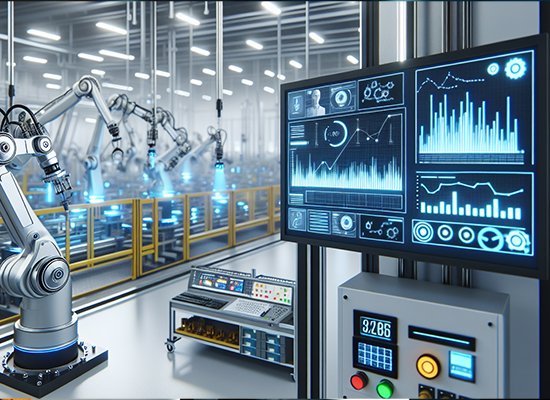
The future of manufacturing automation is highly optimistic. Manufacturers are using robotics-driven AI systems to enhance production lines, check the performance of equipment, and cut the amount of downtime.
Smart factories based on robotics and industrial automation can be operated with minimal human involvement while ensuring the highest levels of accuracy and quality.
The key technologies that drive automation in manufacturing include:
- AI-powered robotics powered by AI
- Predictive maintenance systems
- IoT-enabled devices
- Machine vision systems
- Autonomous mobile robots
- Real-time analytics platforms
Automation can also help manufacturers react quickly to market needs and disruptions in supply chain.
The integration of artificial intelligence with advanced manufacturing systems has enabled businesses to boost efficiency while also decreasing energy waste and waste.
Business Process Automation: The Core of Digital Transformation
Automating business processes is becoming crucial for businesses looking to transform their business through digital. Businesses are utilizing tools to automate business processes to simplify workflows and remove routine manual duties.
Modern solutions for business process automation can be used by businesses to automate:
- Customer support
- Employees onboarding
- Invoice approvals
- Marketing campaigns
- Management of inventory
- Sales reporting
- Procurement workflows
The need for AI business process automation is increasing quickly due to businesses wanting intelligent systems that can improve processes automatically.
Companies are also hiring consultants for business process automation to pinpoint inefficiencies and create custom automation strategies.
Common business process automation examples are:
- Automated marketing emails
- AI-powered chatbots to assist customers with their customer service
- Automated payroll systems
- Workflow workflow approval systems
- Intelligent inventory management
- Automated monitoring of compliance
Software that automate business processes are aiding organizations in improving collaboration as well as transparency in addition to operational efficiency.
Companies have also begun investing in automation of business processes services to ensure a smooth implementation and seamless integration with systems in place.
Smart Business Solutions for the Digital Era
Modern companies require innovative business solutions in order to compete in a highly technologicalized market. A business solutions company that is smart can assist businesses in implementing AI robotics, robotics and automation techniques efficiently.
Smart business solutions concentrate on:
- Optimization of workflow
- AI integration
- Data analytics
- Cloud automation
- Automation of Cybersecurity
- Customer experience enhancement
Businesses that adopt innovative business practices can scale quicker and more efficiently to changes in market conditions.
Industries across the globe are acknowledging that automation is not an option. It is now a imperative for long-term growth and success.
Artificial Intelligence Empowers Situational Awareness Advancement
A single of the most effective uses of AI is the way in which artificial intelligence can help with the advancement of situational awareness. AI systems are able to analyze real-time data from a variety of sources to offer actionable information in critical circumstances.
This technology is widely utilized in:
- Healthcare monitoring
- Operation military
- Smart cities
- Disaster management
- Management of supply chain
- Cybersecurity
Advanced AI systems can recognize patterns that can predict outcomes and help speed up decision-making.
AI-powered propagation modelling artificial Intelligence systems are also being utilized in environmental monitoring and research to model complex scenarios and predict the future outcome.
AI and Human Interaction
As AI is becoming more prevalent the public is increasingly pondering how to communicate with AI effectively. AI communication tools like virtual assistants as well as conversational AI platforms utilize natural language processing to comprehend as well as respond to questions.
Conversational AI is used by businesses for:
- Customer service
- Virtual assistance
- Sales support
- Troubleshooting technical problems
- Automated communication
The accuracy of artificial intelligence-based response systems is continually improving as models for machine learning get more advanced.
AI is now able to recognize the context, emotions, as well as user intentions, which allows for more personal interactions.
The Growing Demand for AI Talent
The rapid growth in AI and automation technology is generating a high demand for highly skilled professionals. Many companies are searching for the best sales professionals jobs as recruiters in artificial intelligence companies to recruit the top performing AI experts and sales leaders.
As AI adoption grows, companies require experts with experience in:
- AI development
- Robotics engineering
- Data science
- Automation strategy
- Machine learning
- Cloud computing
- Cybersecurity
The demand to find AI talents is predicted to increase dramatically over the next 10 years.
Political and Social Discussions Around AI
Artificial Intelligence is also becoming an important topic in political in public discussions about policy. People like Ron DeSantis’s policy on artificial intelligence discussion have brought up concerns over AI regulation as well as data privacy and the possibility of job loss.
Organizations and governments across the world are working on establishing ethical guidelines to ensure ethical AI development.
While AI offers huge potential, companies also need to confront challenges in the areas of transparency, bias cybersecurity, transparency and workplace transformation.
The Future of AI + Robotics in Business
The future of robotics and automation is thrilling. Artificial Intelligence-powered robots and intelligent systems will continue to transform industries through improved efficiency as well as accuracy and innovation.
Businesses that make early investments in automation technology will be better prepared to compete in a rapidly digitalized world.
From robotic automation to the intelligent automation of financial services, businesses are identifying new opportunities to grow and improve their operational efficiency.
Companies such as CodVex Technologies are helping businesses to navigate the digital transformation process through intelligent automation solutions and AI-driven ones.
As AI develops, businesses need to concentrate on planning for implementation, training of employees and ethical AI methods.
The mix of robotics, artificial intelligence, and intelligent automation isn’t only creating what the business of tomorrow is, it is shaping it.
 Frequently Asked Questions