
- By hassamullah000@gmail.com
- August 3, 2026
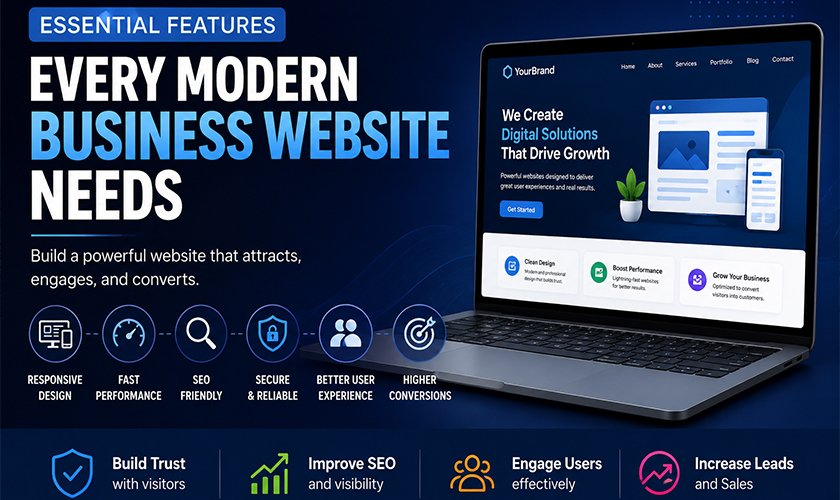
A business site is actually a digital front door for your potential customers’ interaction with your brand. In today’s competitive digital world a modern website has to do much more then look good. It has to load fast, it has to build your credibility, it should generate leads and in the end support your business goals. Also it should provide great user experience.
As a startup, growing company or large scale business your site should present what today’s users expect. Which is to say that a great design for your site may also improve search engine visibility, increase customer interaction and get those visitors to become dedicated customers.
So today we will go through all the important features of a business website.
1. Responsive Design
More people than ever use their smart phones and tablets to surf the web. A responsive website will automatically adapt to various screen sizes, providing visitors with a smooth experience regardless of what device they are using.
Responsive design offers several benefits:
- Better mobile usability
- Improved user experience
- Higher engagement
- Better search engine performance
- Lower bounce rates
A mobile-friendly website is no longer optional—it’s a necessity.
2. Fast Loading Speed
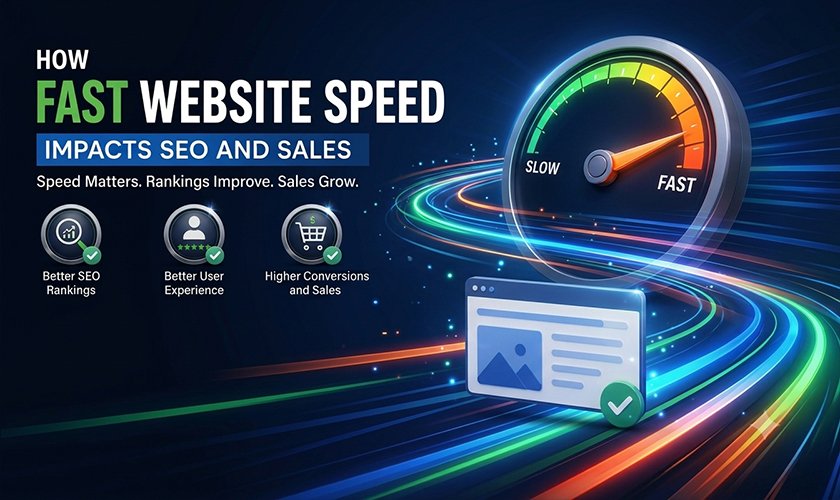
Website speed directly impacts user experience, SEO, and conversions. Visitors expect pages to load quickly, and even small delays can lead to lost opportunities.
A fast website helps:
- Improve customer satisfaction
- Increase search visibility
- Reduce bounce rates
- Encourage longer browsing sessions
- Improve conversion rates
Optimizing images, removing unnecessary scripts, enabling caching and choosing a reliable hosting all contribute to a better website performance.
3. Clear Navigation
Visitors should never have to work at finding information. A well-organized navigation menu allows users to quickly find your services, pricing, contact information and other important pages.
Effective navigation includes:
- Simple menu structure
- Logical page hierarchy
- Clear call-to-action buttons
- Internal links between related pages
- Search functionality (where appropriate)
Easy navigation keeps users engaged and encourages them to explore more of your website.
4. Strong Calls to Action (CTA)
The point of every business web site is to get visitors to do something.
Clear calls to action increase conversions whether it’s lead generation, booking consultations, or boosting sales.
Examples include:
- Contact Us
- Request a Quote
- Book a Consultation
- Get Started
- Schedule a Demo
- Learn More
Effective CTAs should be visible, concise, and strategically placed throughout the website.
5. Search Engine Optimization (SEO)
A beautiful website is ineffective if customers can’t find it on the web.
Modern websites should follow SEO best practices by using:
- Optimized page titles
- Meta descriptions
- Proper heading structure
- Internal linking
- Keyword optimization
- Image alt text
- Fast loading performance
- Mobile-friendly layouts
Strong SEO helps improve organic visibility and attract qualified traffic.
6. Professional Visual Design
Your website is a reflection of your brand identity and should give a positive first impression.
Professional design includes:
- Consistent colors
- Modern typography
- High-quality images
- Clean layouts
- White space for readability
- Consistent branding
A polished appearance builds credibility and encourages visitors to trust your business.
7. High-Quality Content
Content is still one of the most important factors of a successful business website.
Every page should clearly explain:
- Your services
- Your expertise
- Customer benefits
- Company values
- Solutions you provide
Good content makes your SEO better and helps visitors understand why they want to choose your business.
8. Trust Signals
Customers are more likely to engage with businesses they trust.
Include trust-building elements such as:
- Client testimonials
- Case studies
- Certifications
- Awards
- Partner logos
- Customer reviews
- Years of experience
- Contact information
These elements reduce uncertainty and improve credibility.
9. Secure Website (HTTPS)
Website security protects both your business and your customers.
A secure website:
- Encrypts user data
- Improves customer confidence
- Supports SEO
- Protects online forms
- Reduces security risks
Using HTTPS is now considered a standard requirement for every business website.
10. Contact Information That Is Easy to Find
Visitors should never have difficulty contacting your business.
Include:
- Contact form
- Email address
- Phone number
- Business location (if applicable)
- Business hours
- Social media links
Easy communication improves customer experience and increases lead generation opportunities.
11. Performance Analytics
Understanding visitor behavior helps improve your website over time.
Tools such as website analytics allow businesses to monitor:
- Traffic sources
- Popular pages
- User behavior
- Conversion rates
- Bounce rates
- Customer journeys
Data-driven decisions help optimize both marketing and website performance.
12. Regular Updates and Maintenance
A website should continue improving after launch.
Regular maintenance includes:
- Updating content
- Fixing broken links
- Improving security
- Monitoring performance
- Updating plugins
- Optimizing speed
- Refreshing visuals
An actively maintained website performs better and provides a more reliable user experience.
Why These Features Matter
Your company website in this day and age is your best digital asset. It plays a role in which of your marketing efforts and in establishing credibility. It is a tool which brings in new customers and which also sees to it that visitors become paying customers.
Responsive design, SEO, fast performance, security and high quality content are elements which contribute to better online experiences for businesses and in turn support long term growth.
A business’ website is a platform to generate leads, engage customers and build brand.
Final Thoughts
Careful planning, thoughtful design and continuous improvement is what it takes to run a successful business website. We see in to which responsive layouts, fast load times, SEO, security, and engaging content play a role in that better total user experience.
By incorporating modern web features companies will see them through the changes in what customers want and also will be better at competing online which in turn will promote sustainable growth and improved search rank.
Whether you are designing a brand new site or improving upon an existing one of which these features will you have at your disposal to put value into your customers’ and your business.


 Frequently Asked Questions